
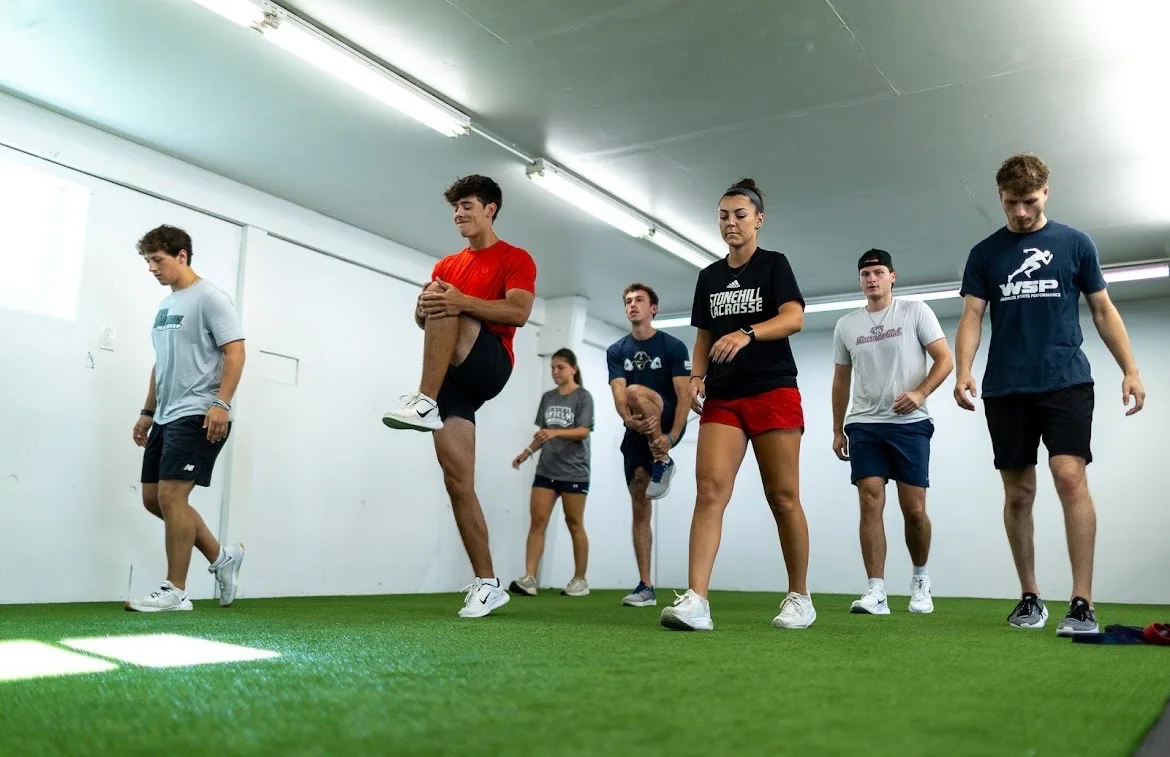
Another tournament. Another clinic. Another opportunity to get more reps.
The message to athletes and parents can feel constant: if you want to improve, you need to play more. More games, more practices, more private lessons, more showcases. My concern with that message is what can get squeezed out of the schedule - the work that helps prepare the body to perform.
Skill matters - a lacrosse player needs stick work. A soccer player needs touches on the ball. A swimmer needs time developing technique in the water. Strength training cannot replace those things.
But knowing what to do and having the physical capacity to do it are connected. Athletes also need to produce force, move quickly, control their bodies, and recover from the demands of their sport. A complete development plan makes room for both.
At WSP, we recommend strength training two to three times per week during the off-season and once per week during the sport season. That is our starting point, with the training adjusted to the athlete’s age, experience, practice and game schedule, and recovery. The goal is simple: keep developing your sport skills while building and maintaining the body you need to use them.
Practicing your sport and preparing your body have different jobs
Skill practice develops technique, timing, decision-making, and the ability to respond to a real opponent or competitive situation. You learn those things by practicing and playing your sport.
Physical preparation focuses on the qualities that support that performance: strength, power, speed, conditioning, and control through useful ranges of motion. There is overlap—sport practice is physical—but playing more does not automatically address every physical need.
Think about a player trying to create space. Recognizing the opening is one task. Accelerating into it is another. Slowing down, changing direction, and accelerating again add further demands. The decision and the movement have to work together.
In the gym and on the training floor, we can break those physical tasks down, coach them, and gradually increase the challenge. Sport practice then gives the athlete opportunities to apply those qualities in context.
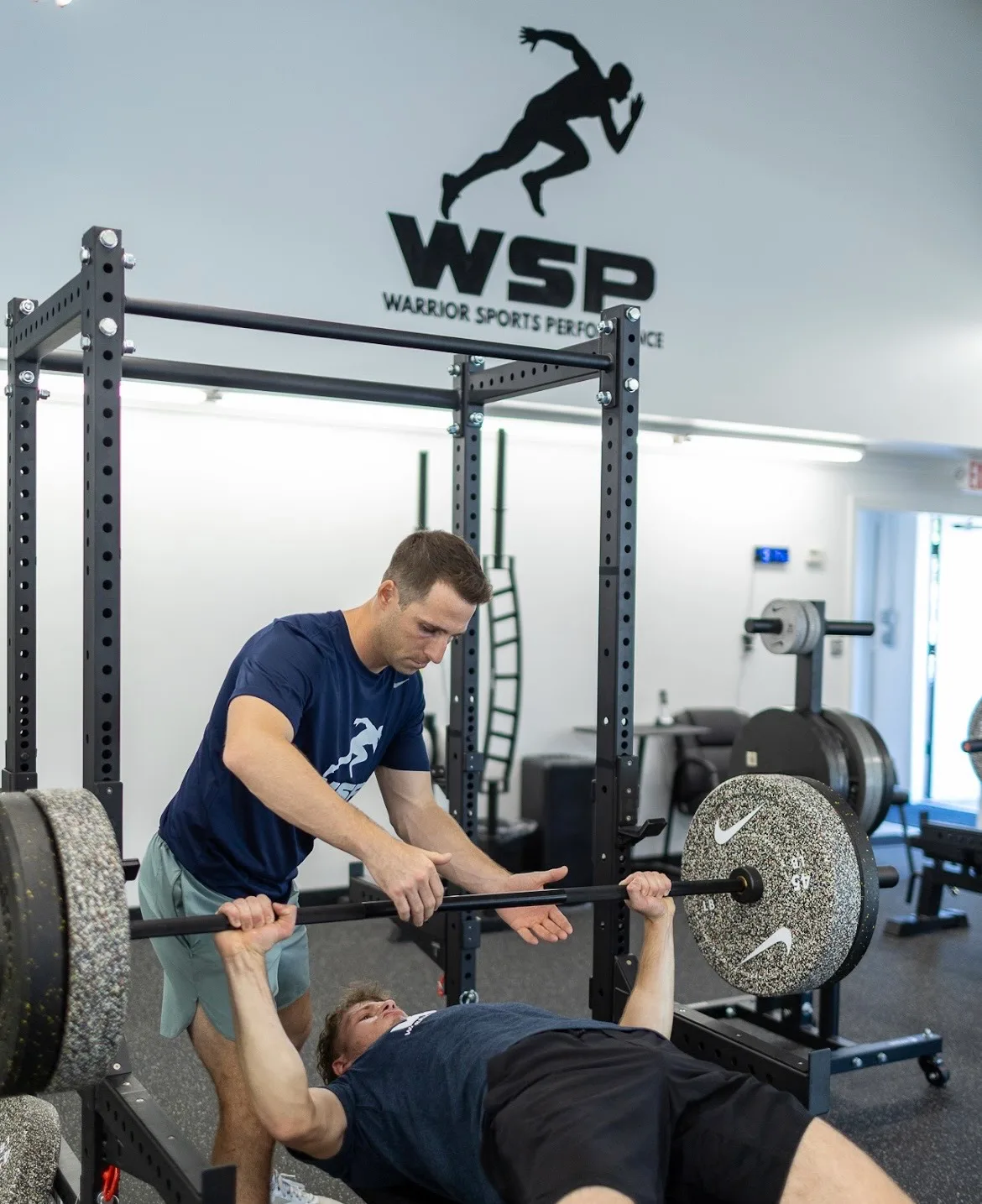
Research supports adding physical preparation to sport practice
A systematic review by Lesinski and colleagues examined 43 studies of young athletes. Importantly, the comparison groups continued their regular sport training. Adding resistance training produced improvements in strength and jumping, with smaller benefits in sprinting, agility tests, and sport-specific performance measures. [1]
That matters because the comparison was not simply active kids versus inactive kids. It supports the idea that athletes who already practice can still benefit from structured physical preparation.
It also keeps our expectations honest. A better strength test or faster planned change-of-direction drill does not automatically mean better decisions during a game. Athletes still need coaching and practice in their sport. The two types of work support different parts of development.
Strength, acceleration, deceleration, change of direction, mobility, and core work need a purpose
Being fast is useful. Being able to slow down under control and move again is also important. That is why I want athletes to practice both producing movement and controlling it.
Depending on the athlete, that might include strength exercises, short accelerations, landing practice, and progressively faster stopping or direction-change tasks. The goal is to connect the physical qualities—not turn every session into an exhausting circuit.
Mobility work should address the movement the athlete needs, with control through the available range. Core work should have a clear purpose too, such as maintaining trunk position or controlling rotation. It does not have to mean an endless list of stretches and sit-ups.
These are coaching tools, not separate guarantees against injury. We choose them according to the athlete’s needs and fit them into the whole program.
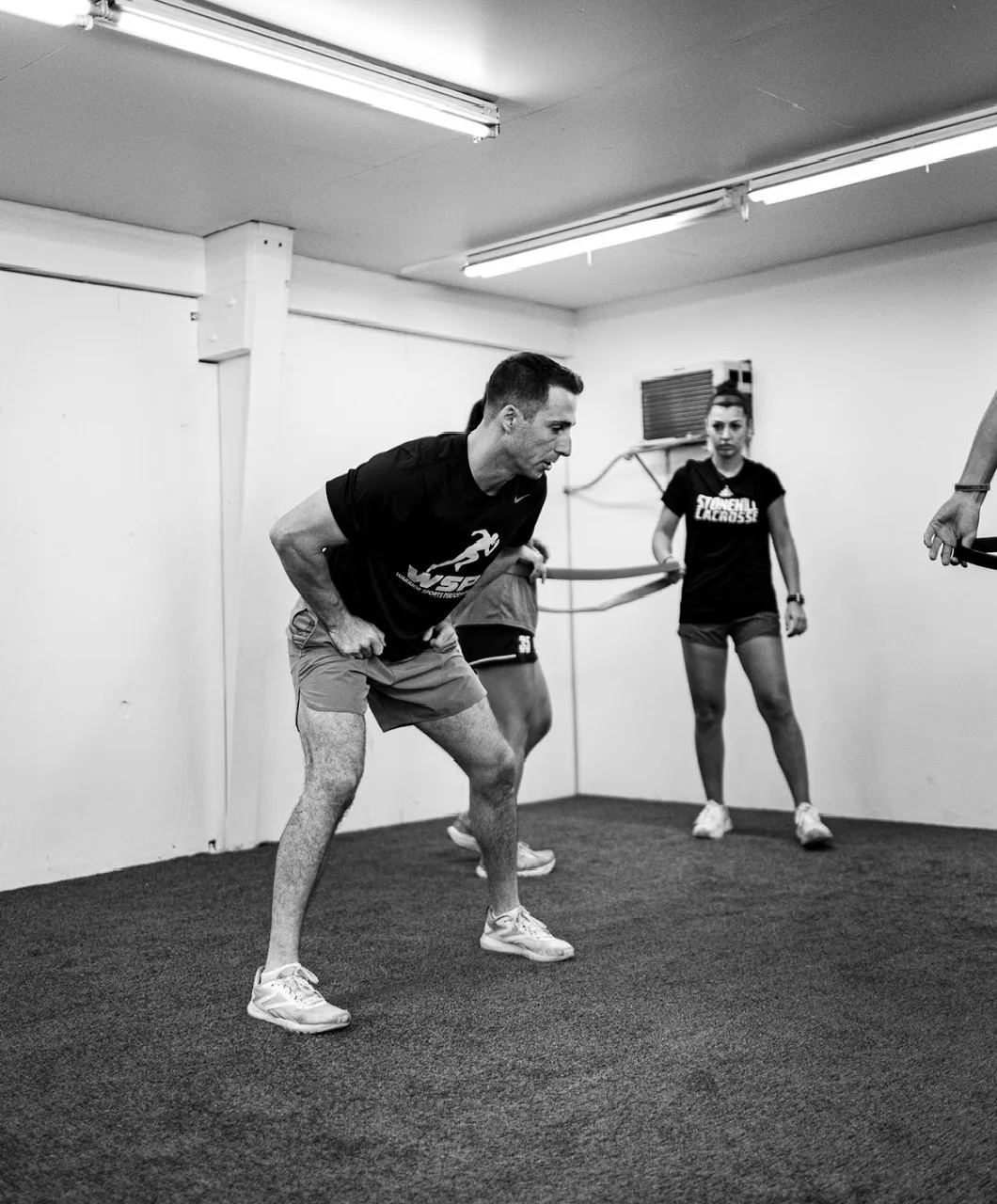
What about the athlete practicing or playing five days a week?
Consider an athlete whose week includes five days of practices and games, with no planned strength work, mobility work, or trunk training. That athlete is working hard. The question is whether the schedule is developing everything they need.
Before deciding something is missing, we should ask what the team already includes. Some coaches build physical preparation into practice and warm-ups. It counts, even if it does not happen in a separate gym session.
If those needs truly are being missed, the answer is not automatically to add two more hard days. It may mean replacing an optional session, coordinating with the sport coach, or incorporating a short, purposeful strength session into an existing training day while preserving recovery.
The IOC’s youth-development consensus recommends balancing athletic development with regular rest, recovery, and the athlete’s other needs. It is expert guidance rather than proof of one ideal schedule, but it supports looking beyond the number of practices on the calendar. [2]
My question for families is simple: before signing up for another opportunity, what does this athlete need most right now?
Take care of the body throughout the year
Physical preparation should change with the season. An off-season may allow more time to build strength and develop movement skills. During competition, we can adjust the amount of work to support performance and preserve what the athlete has built. Recovery periods belong in that plan too.
In a small study of 14 male professional soccer players, one weekly strength session maintained preseason strength and sprint gains over 12 in-season weeks, while training every other week did not maintain those gains. That was a performance study, not an injury study, and it does not establish a universal weekly prescription. It illustrates why strength work should not automatically disappear when games begin. [3]
Year-round attention does not mean year-round hard training. It means having a plan for building, maintaining, and recovering instead of treating physical preparation as something we only address when there is a problem.
Being available is part of being able to perform. Keeping physical preparation in the plan during the season can help athletes maintain strength and support the demands of their sport, although no program can guarantee an injury-free season. To learn more, read our article, Why In-Season Strength Training Matters for Athletes.
Build the athlete and keep developing the skill
At Warrior Sports Performance, I want our work to complement what athletes are learning from their sport coaches. The aim is to help them become physically better prepared to use those skills.
That starts with understanding the whole week: practices, games, other training, and recovery. From there, we can decide what the athlete needs and where it fits.
Keep practicing the skills your sport demands. Give your body the preparation to support them.
If you would like help finding that balance, contact Warrior Sports Performance in Norfolk, MA, at [email protected]. Bring us the athlete’s schedule and goals, and we can talk through a practical plan.